What Is Dementia?
Dementia is not a specific disease — it’s an umbrella term describing a group of symptoms affecting memory, thinking, social abilities, and behaviour. These changes are severe enough to interfere with daily life and independence. While it mostly affects people over age 65, it is not a normal part of ageing. Brain cell damage causes these symptoms, disrupting how brain cells communicate with each other.
Common Types
✅ Alzheimer’s disease – The most common form (about 60–80% of cases). Linked to build‑up of abnormal proteins in the brain; early signs include short‑term memory loss and difficulty finding words.
✅ Vascular dementia – Caused by reduced blood flow to the brain, often after strokes or small vessel disease. Common symptoms include planning difficulties and slowed thinking.
✅ Lewy body dementia – Involves protein deposits called Lewy bodies. May come with visual hallucinations, movement issues similar to Parkinson’s, and changes in alertness.
✅ Frontotemporal dementia – Affects personality, behaviour, and language; often diagnosed at a younger age (45–65 years).
✅ Mixed dementia – A combination of more than one type, most often Alzheimer’s plus vascular changes.
Key Signs & Symptoms
Symptoms progress gradually and vary by person, but typical changes include:
* Memory: Forgetting recent events, names, or appointments; getting lost in familiar places.
* Thinking & reasoning: Trouble with numbers, following instructions, or making decisions.
* Communication: Struggling with vocabulary or following conversations.
* Focus & attention: Reduced ability to stay organised or complete tasks.
* Behaviour & mood: Confusion, anxiety, depression, irritability, or changes in personality.
* Perception: Difficulty judging distances or recognising faces/objects.
Important: Occasional forgetfulness does not mean dementia — many conditions (vitamin deficiency, thyroid issues, infection, or medication side‑effects) cause similar symptoms and may be treatable.
Risk Factors
🔹 Age: Risk rises sharply after 65; greatest risk after 80.
🔹 Genetics: Family history increases risk; some rare forms are directly inherited.
🔹 Lifestyle & health: High blood pressure, diabetes, high cholesterol, smoking, obesity, excessive alcohol, lack of exercise, poor diet, and low social engagement.
🔹 Other: Previous severe head injury; hearing loss; limited education.
💡 Good news: Around 40% of dementia cases globally are linked to modifiable risks — meaning lifestyle changes can help delay or reduce risk.
Diagnosis & Support
There is no single test for dementia. Diagnosis involves:
* Medical history and physical exam
* Memory and cognitive assessments
* Blood tests and brain scans (CT/MRI/PET)
* Specialist review — often from a memory clinic or neurologist
While most types are progressive and currently cannot be cured, treatment and support help greatly:
* Medications may ease symptoms temporarily in some forms.
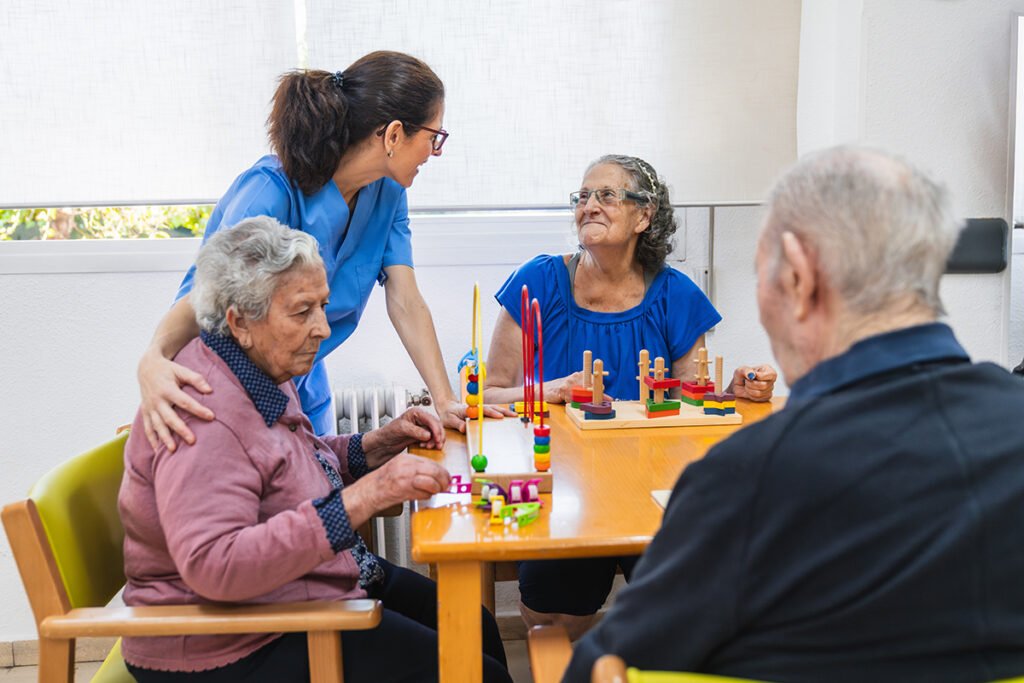
* Non‑drug approaches: routine, familiar environments, activity, music, and social connection.
* Support for carers is vital — caring for someone with dementia is physically and emotionally demanding.
In the UK, resources include:
* Alzheimer’s Society – helpline 0333 150 3456 and local services
* Dementia UK – Admiral Nurses specialist support
* NHS memory assessment services
💛 Ways We Can Help
* Be patient: Speak clearly, give time to reply, and avoid correcting constantly.
* Stay connected: Isolation makes symptoms worse — keep visiting, talking, and including them.
* Learn together: Understanding the condition reduces fear and frustration.
* Plan ahead: Discuss wishes for care, finance, and legal matters while capacity allows.
“Dementia takes many things — but it does not take the person away completely. Love, kindness, and familiarity remain powerful connections.”