When families look for a care home, they often ask about rooms, staff and safety.
These things matter. But daily life matters just as much.
A care home becomes meaningful through the small things that happen every day. A warm meal. A familiar face. A kind conversation. Time outdoors. A favourite activity. A clean room. A cup of tea made the way someone likes it.
These details shape how residents feel.
Food is part of comfort
Meals are not just about nutrition.
For many residents, food carries memory, routine and pleasure. A proper meal can bring comfort. A shared dining table can bring conversation. A favourite dish can brighten the day.
Good care homes understand this.
Food should be prepared with care. It should suit residents’ health needs, culture, preferences and appetite. Some residents may need soft diets. Some may need diabetic-friendly meals. Others may prefer vegetarian food or familiar home-style flavours.
Mealtimes should feel calm, not rushed.
Activities give shape to the day
Activities are not just there to fill time.
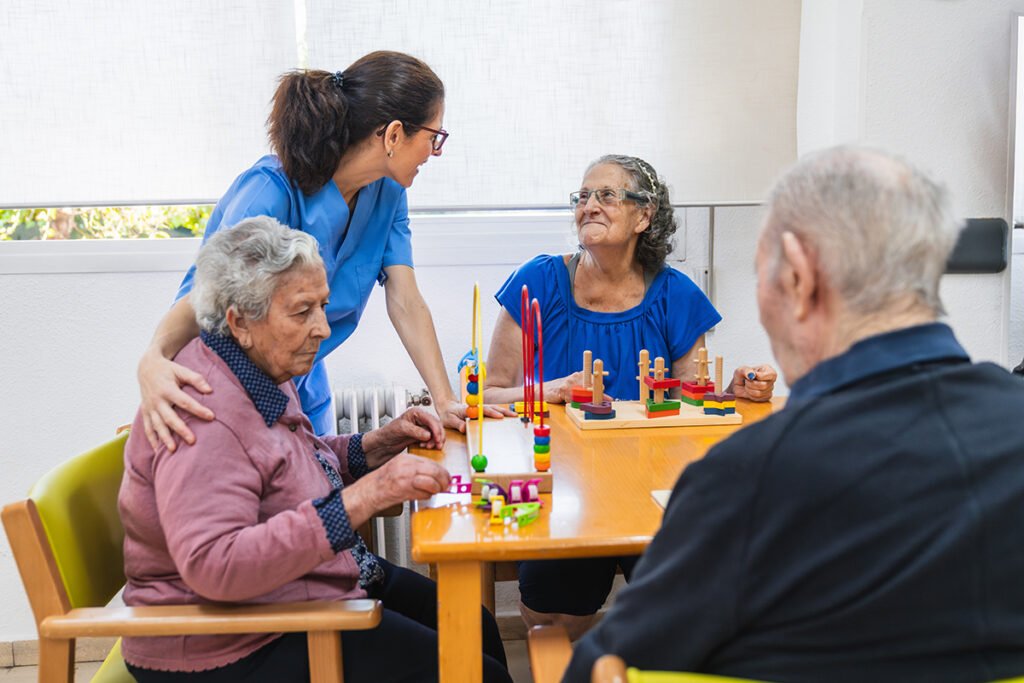
They help residents stay connected, engaged and included. This may be gentle exercise, music, gardening, games, arts and crafts, reading, celebrations or simply spending time with others.
Not every resident wants to join every activity. That is fine.
What matters is choice. Residents should feel invited, not forced. Encouraged, not pressured.
Good care respects the person
Every resident has a life story.
They have routines, preferences, habits, likes and dislikes. Some enjoy company. Some prefer quiet time. Some like to be active. Others need gentle encouragement.
Good care begins by noticing these things.
At Senera Care, residents are seen as valued members of the home. Care is not only about tasks. It is about how people are spoken to, supported and included.
Safety should still feel gentle
A care home must be safe. But it should not feel cold or restrictive.
Residents need support close by. They also need space to live with dignity.
The right environment gives both: safety and comfort. Staff are available when needed. Rooms and shared spaces are kept clean and accessible. Residents can move, rest, eat and take part in daily life with reassurance.
Families should feel involved
Daily life is better when families remain connected.
Regular communication helps relatives feel reassured. It also helps staff understand the resident better.
Families know the little things. A favourite song. A usual bedtime habit. A preferred cup of tea. A story that always brings a smile.
These details matter.
Final thought
Daily life in a care home should feel steady, respectful and full of small comforts.
The best care is often found in ordinary moments: food served with care, staff who listen, activities that bring joy, and residents who feel seen for who they are.